Industrial Digital Manufacturing Integration
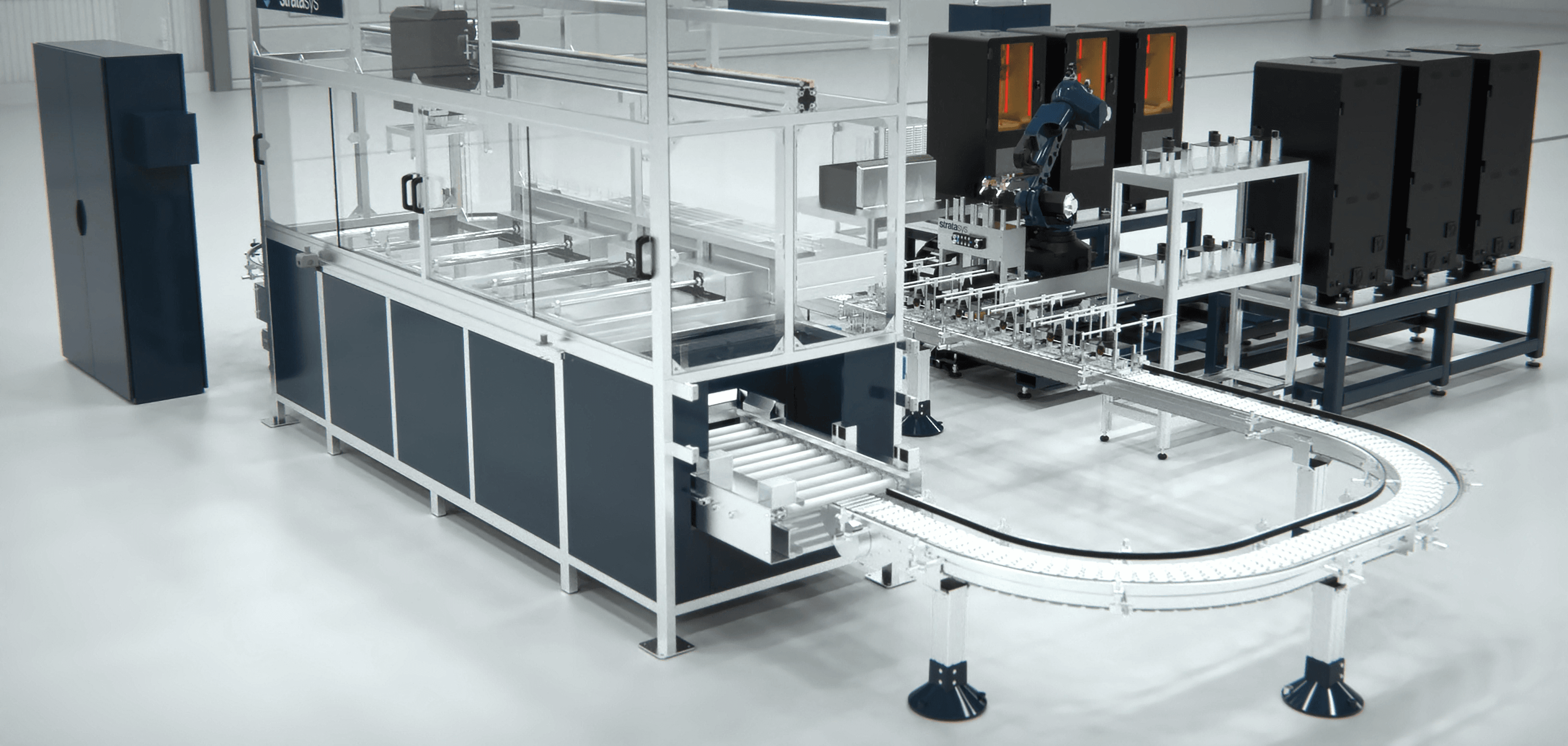
D2M helps industrial teams assess applications, define controlled workflows, select the technology route, and plan documentation, training, and handover.


Digital Manufacturing Capability Model
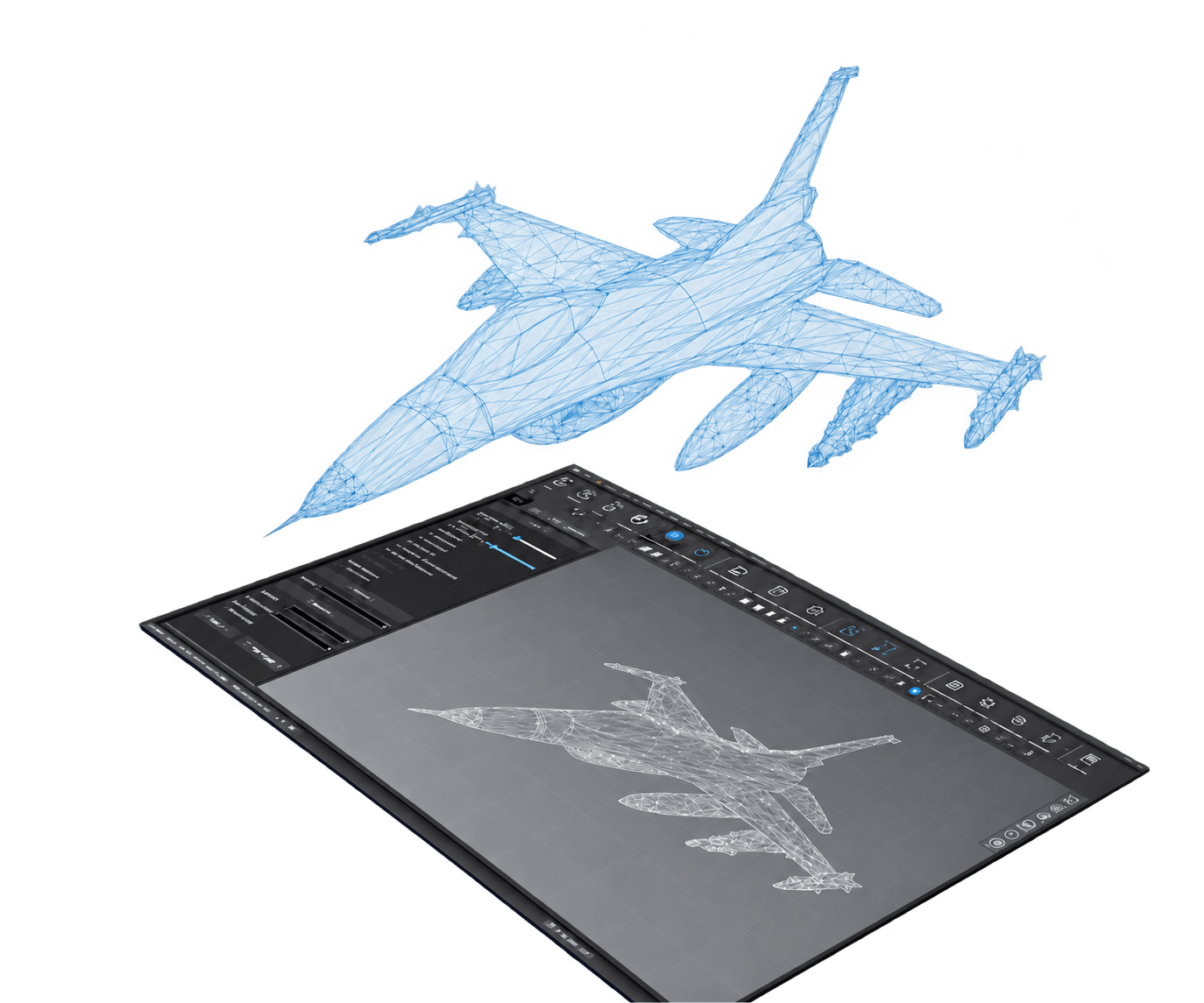
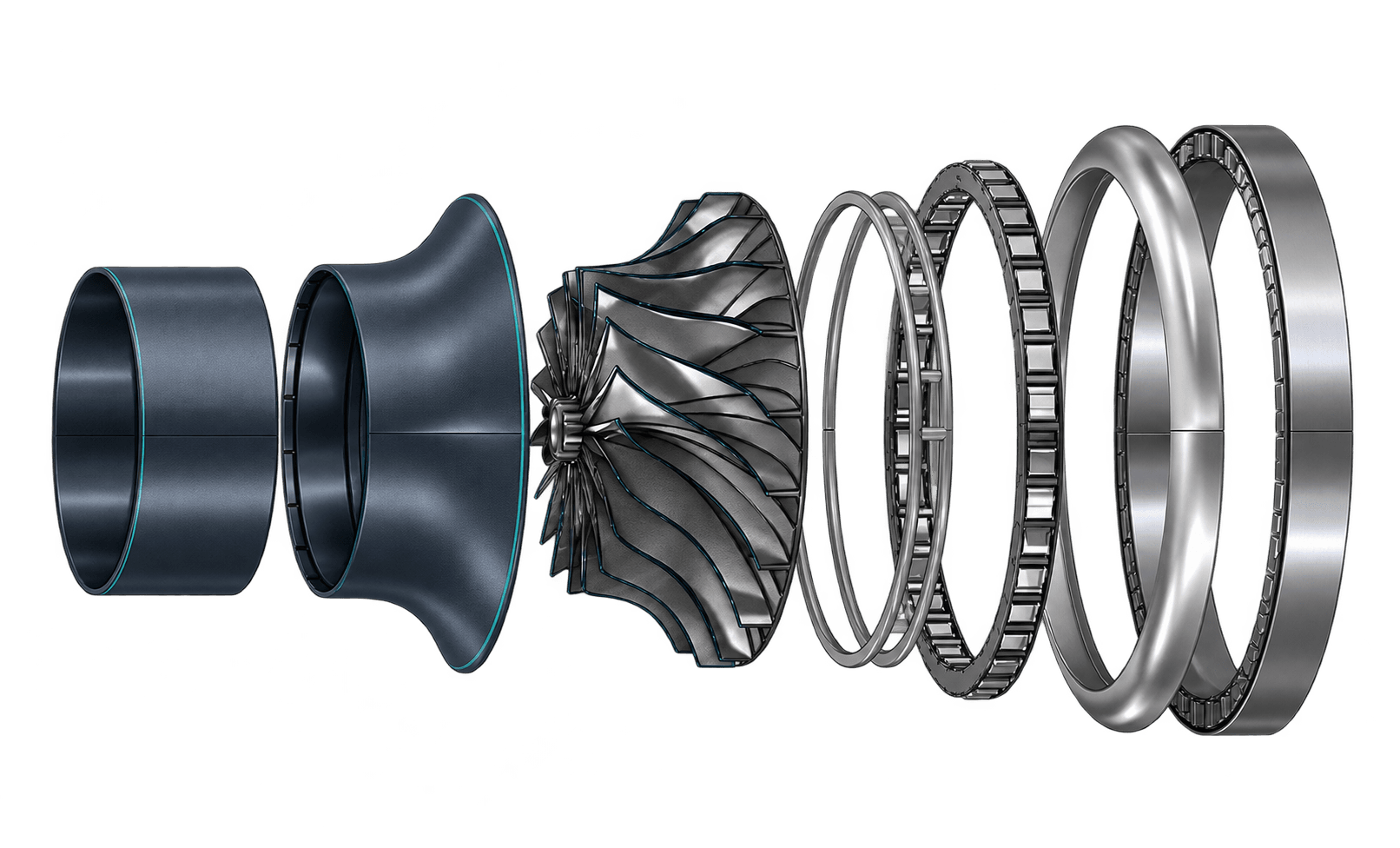
We structure capability planning across suitability assessment, digital asset readiness, qualification planning, and operational handover.
Start with the operating context
Sector requirements shape application demand, governance, workforce readiness, and the transfer needs behind a digital manufacturing capability.

Defense
Sensitive sustainment environments require traceability, controlled intake, defined approvals, and clear documentation before a manufacturing route is considered. D2M helps teams review application opportunities, define secure workflows, map inspection requirements, and plan operator handover for controlled sustainment contexts.

Aerospace
Aerospace teams work under strict traceability, material justification, and approval constraints before any manufacturing route can move beyond review. D2M supports application assessment, technology route selection, workflow design, documentation planning, and training for aerospace manufacturing and maintenance contexts.

Medical – Anatomical / Surgical Models
Anatomical and surgical model workflows require careful data handling, design review, material selection, documentation, and governance before use. D2M supports model workflow planning, technology selection, documentation, and training for healthcare teams developing anatomical and procedure-planning aids.

Industrial Manufacturing
Industrial manufacturing teams need a disciplined way to review spares, tooling, fixtures, and production aids before moving them into controlled workflows. D2M supports part selection, workflow design, technology route selection, documentation, operator training, and staged implementation planning.

Oil & Gas
Oil and gas operations require disciplined review of asset criticality, material exposure, inspection requirements, and documentation before local manufacturing routes are considered. D2M supports candidate part assessment, workflow design, technology selection, inspection planning, documentation, and handover for oil and gas support contexts.
Qualify the use case before the route
D2M reviews use cases by operating requirement, material route, inspection needs, documentation, and commercial logic.
Energy and Pipeline Inspection
Energy and Pipeline Inspection should be assessed against fit, material route, inspection needs, operating conditions, and commercial value before a manufacturing process is selected.
Composite Tooling & Production Aids
Composite Tooling & Production Aids should be assessed against fit, material route, inspection needs, operating conditions, and commercial value before a manufacturing process is selected.
Custom End-Use Housings & Enclosures
Custom End-Use Housings & Enclosures should be assessed against fit, material route, inspection needs, operating conditions, and commercial value before a manufacturing process is selected.
Aerospace Structure Measurement
Aerospace Structure Measurement should be assessed against fit, material route, inspection needs, operating conditions, and commercial value before a manufacturing process is selected.
Geometric Feature Measurement (holes, edges, slots)
Geometric Feature Measurement (holes, edges, slots) should be assessed against fit, material route, inspection needs, operating conditions, and commercial value before a manufacturing process is selected.
Blood Vessel Models
Blood Vessel Models should be assessed against fit, material route, inspection needs, operating conditions, and commercial value before a manufacturing process is selected.
Technology Routes for Implementation Planning
Compare systems by process, material route, build envelope, workflow control, and the operating model required around them.
Applications
Review candidate use cases by operating requirement, material route, inspection needs, documentation, and commercial logic.
Industries
Assess requirements before choosing equipment, including application demand, governance, workforce readiness, and transfer needs.
Printers
Compare systems by process, material route, build envelope, workflow control, and the operating model required around them.
Materials
Select materials according to application, operating environment, documentation needs, and the production route that will govern use.

Stratasys F3300
The F3300 is the new standard in industrial FDM 3D printing - offering up to 2× the speed and throughput of typical printers. Built for real manufacturing, it delivers superior productivity, reliability, and part quality across aerospace, automotive, rail, medical, and general manufacturing applications.

Stratasys H350™
The Stratasys H350™ delivers industrial powder-bed fusion production using SAF™ technology for consistent, repeatable and scalable part output. With high nesting density, predictable build quality and a simplified workflow, the H350™ enables cost-efficient, higher-volume additive manufacturing. Ideal for automotive, aerospace, consumer products, medical and general manufacturing applications.

Scanology NimbleTrack GEN2
NimbleTrack Gen2 is a next-generation wireless 3D scanning system that delivers metrology-grade accuracy with complete mobility. With dual-mode scanning, onboard processing, extended tracking range and fast, detailed data capture, it’s designed for inspection, reverse engineering and engineering workflows across industrial, field and research environments.
Industry Insights
View All
ISO 13485 and Healthcare Manufacturing: Planning Quality-System Support for Additive Manufacturing
Healthcare manufacturing requires a documented quality system, controlled workflows, trained operators, and clear approval routes. This article reviews how ISO 13485 can inform planning for additive manufacturing workflows without assuming certification or clinical production approval.

The Build-Operate-Transfer Model for Manufacturing: Planning Local Industrial Capability Without Early CAPEX Exposure
The Build-Operate-Transfer model can help institutions assess how advanced manufacturing capability might be planned, operated, documented, and transferred in defined stages. This article reviews the commercial and operating questions that should be answered before a manufacturing BOT model is approved.

Industrial Participation Planning and Additive Manufacturing: Questions for Saudi Defense Programs
Defense and industrial participation programs require documented scope, approved qualification routes, workforce planning, and evidence before credits or documentation review outcomes can be claimed. This article reviews the questions additive manufacturing teams should answer during planning.

Custom Elastomer Seals On Demand: Assessing P3 Printing for Gaskets and Seals
Custom elastomer seals and gaskets require material behavior, operating environment, tolerance, and approval requirements to be reviewed before additive manufacturing is selected. This article outlines where P3 printing may fit the assessment.

Rail Lightweighting in the GCC: Assessing Additive Manufacturing for Selected Components
Rail component lightweighting depends on application selection, material performance, qualification effort, inspection route, and operating environment. This article reviews where additive manufacturing and DfAM may support the assessment.

Oil & Gas Tooling and Spare Parts: Where Additive Manufacturing Fits
Oil and gas teams can use additive manufacturing for selected tooling, fixtures, maintenance support, and low-volume spare-part workflows when the operating environment and approval route are understood. This article reviews where the process may fit and where qualification limits must remain clear.
Case Studies
View AllWhitepapers
View All
Industrial 3D Printing Business Case
Learn how to evaluate the financial case for industrial 3D printing by reviewing utilization, material route, qualification effort, current supply constraints, and operating requirements.

ABS-ESD7 Electrical Performance in FDM Parts
A technical evaluation of ABS-ESD7 FDM parts, reviewing measured electrical resistance across selected printers, orientations, geometries, and build conditions.

Jigs and Fixtures: Evaluating FDM for Manufacturing Aids
Review how manufacturers evaluate FDM 3D printing for jigs, fixtures, and manufacturing aids by comparing application need, material route, workflow, and production constraints.
Frequently Asked Questions
Key questions about D2M's assessment, implementation, and support model.
What does D2M do?
Where does a project usually start?
Does D2M start with a machine recommendation?
Can D2M support regulated or sensitive sectors?
How are claims and business cases reviewed?
What is the best next step?
Ready to discuss?
From suitability assessment to technical intake and implementation planning.